Bull Riding
The Rodeo
Sponsored By

Bull Riding
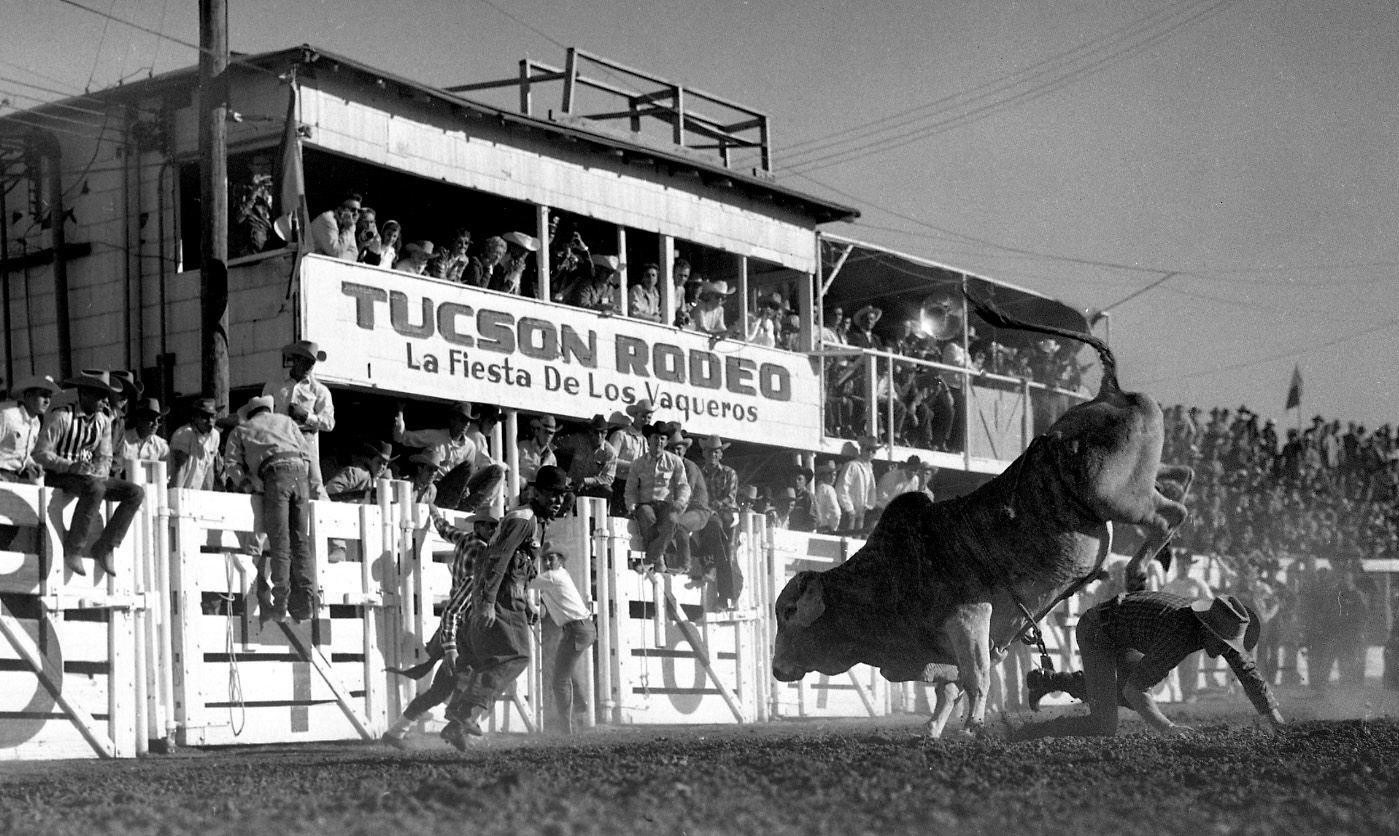
The chute swings open and more than a ton of muscle explodes into the arena…
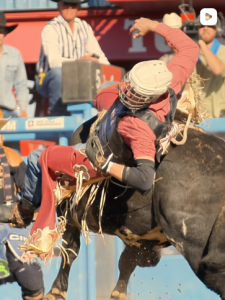
He’s bucking, spinning, and kicking with a cowboy on top. Some spectators cheer while others hold their breath during what can feel like the longest eight seconds you’ve ever experienced.
Bull riding is rodeo’s most intense showdown: a collision of balance, instinct, courage, and raw athleticism where two elite athletes—the cowboy and the bull—are pushed to their limits.
There’s no saddle, and no reins. Just a braided bull rope, one hand locked in, and one objective: hang on until the bell rings.
How Bull Riding Works
Unlike bareback and saddle bronc riding, there is no mark-out rule in bull riding.
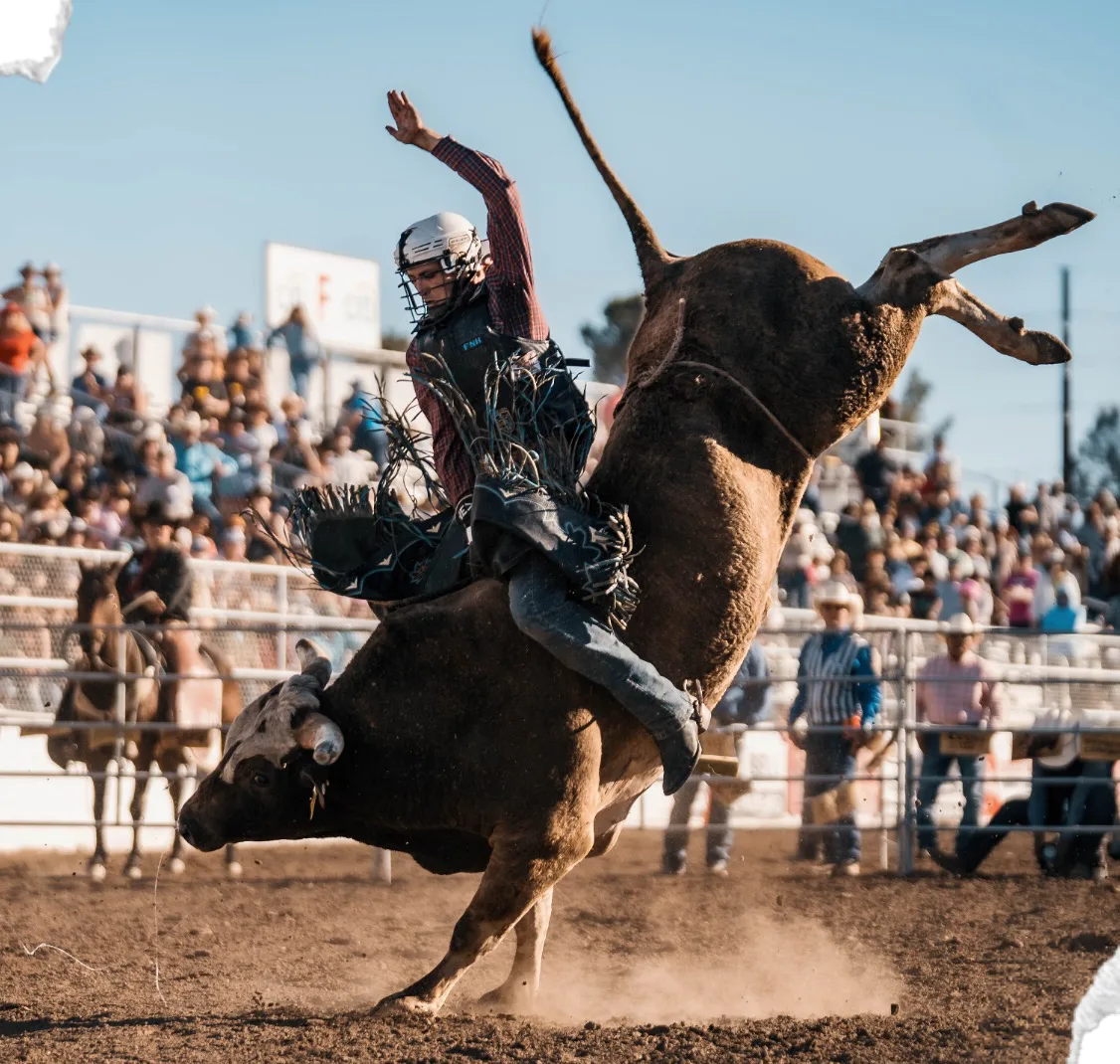
Once the chute opens, the cowboy has to remain aboard for eight seconds with one hand secured in a braided bull rope wrapped around the bull. The other must stay free. If that free hand touches the bull, the rope, or the rider himself before eight seconds, it’s a no-score.
Each bull is unique. Some bulls explode straight out of the chute, some immediately spin, while others leap, kick, reverse direction, or combine everything into a pattern that can change in a fraction of a second.
What happens during those eight seconds determines the overall score. Judges watch the cowboy’s balance, body position, control, and ability to react to every movement beneath him.
But when you watch a ride, don’t just watch the cowboy. Watch the bull.
The bull accounts for half of the available score, and the most difficult animal athletes give elite cowboys the opportunity to make the biggest rides.
How is Bull Riding Scored?
A qualified ride can earn up to 100 points, with the score divided equally between the two athletes.
The Cowboy
Judges consider the rider’s control, balance, body position, timing, and ability to stay centered and respond to the bull’s movements. He can earn up to 50 points for his ride.
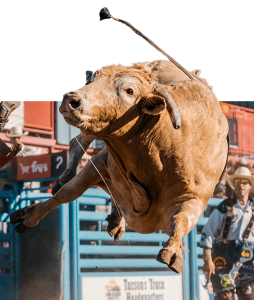
The Bull
The animal athlete is judged on the power and difficulty of its performance, including speed, jumps, kicks, spins, changes in direction, and overall athleticism. Spurring isn’t required in bull riding, but a cowboy who can spur while maintaining control may add to the quality of his performance. The animal athlete can also earn up to 50 points for his ride.
A score in the 90s means you just watched two exceptional athletes put together one extraordinary ride.
Bred to Buck (and Spin)
The bulls you see at the Tucson Rodeo aren’t ordinary cattle that happen to be angry. They’re purpose-bred animal athletes.
Modern bucking bulls can come from generations of carefully selected bloodlines prized for natural bucking ability, athleticism, strength, and performance. Professional stock contractors raise and care for them, track their performances, and know their individual tendencies and personalities.
And the cowboys know them all by name and reputation. Elite riders study the sport’s best bulls, and understand that drawing an exceptional bull can be an opportunity to win big. In bull riding, you don’t draw the easy one hoping to make history…you draw the great one.
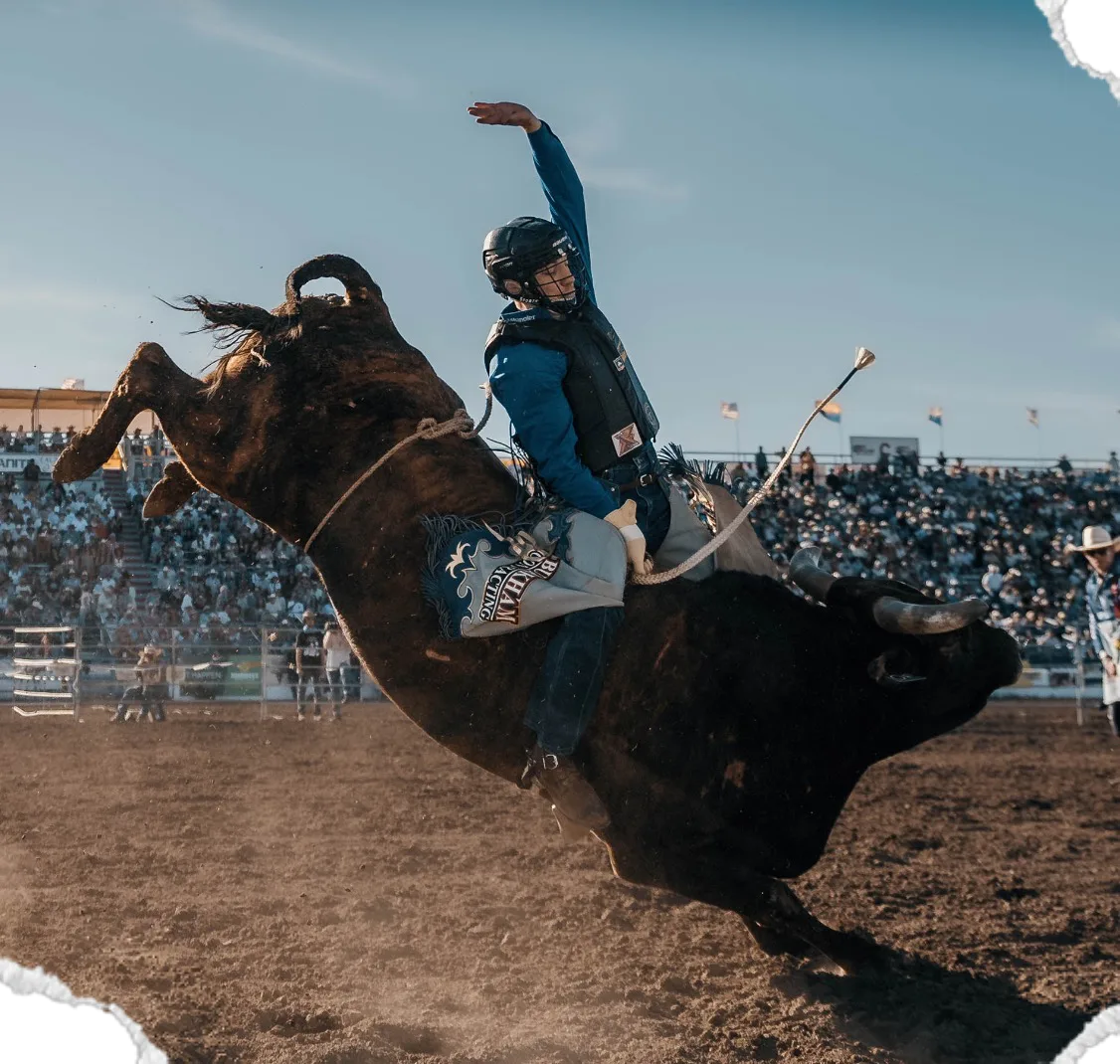
Tucson Rodeo Arena Records
The best Tucson has seen when it comes to Bull Riding.
Highest Scored Ride – 93 points
2006 – Dustin Elliott North, Platte, Nebraska Cow Pix, Western Rodeos
Highest Total Score Two Head – 181 points
2006 – Dustin Elliott North, Platte, Nebraska
When Eight Seconds End
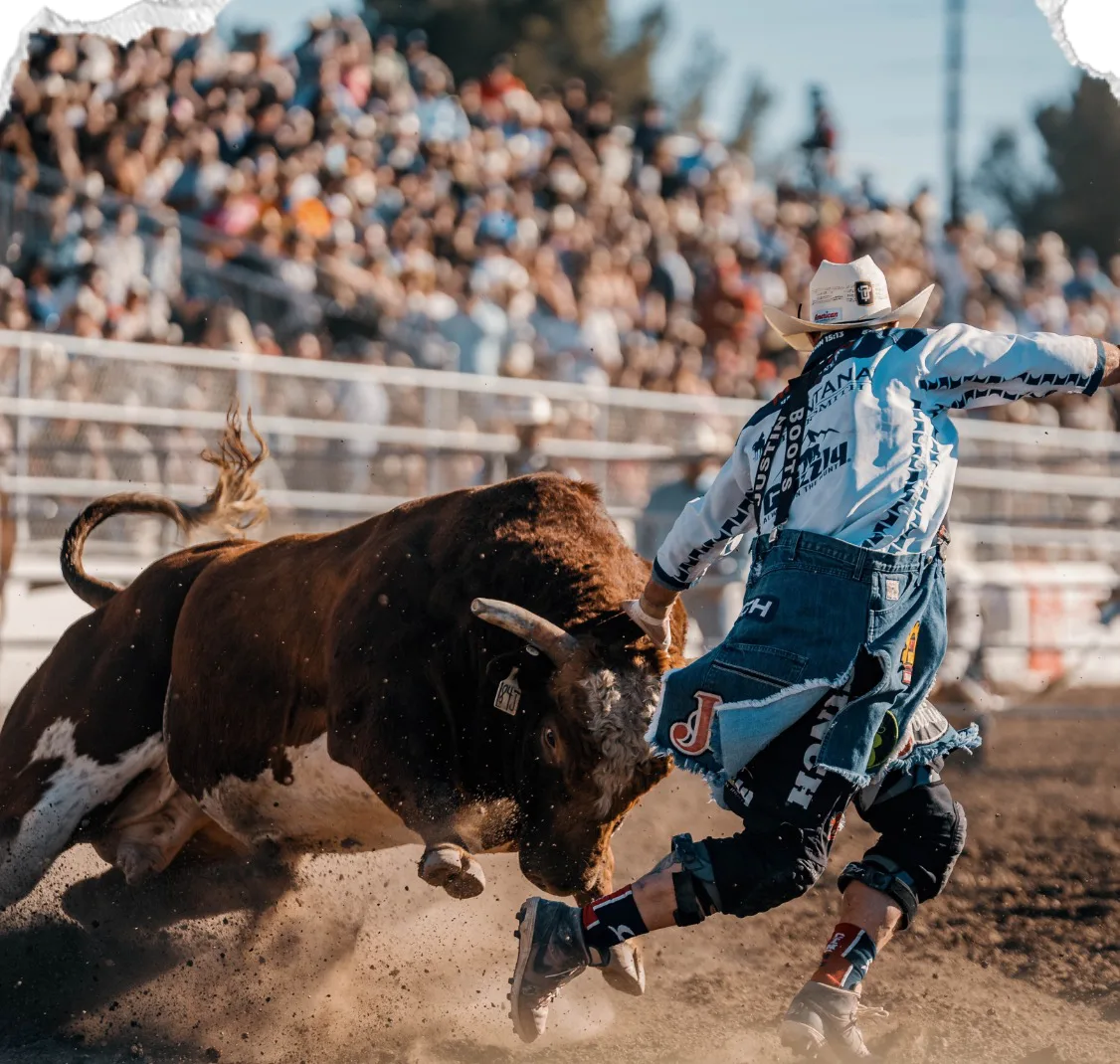
Making the whistle doesn’t necessarily mean the danger is over. The moment a cowboy comes off a bull, another group of athletes goes to work.
A bullfighter’s job is to put themselves between a rider on the ground and an animal that can weigh more than a ton, redirecting the bull and creating the precious seconds the cowboy needs to get to safety.
At the Tucson Rodeo, some of the best in the business work the arena dirt.
Don’t Just Take Our Word for It!
Come and watch the best bull riders in the country compete for the buckle.
Buy Your Tickets Today
Bull Riding FAQs
Everything you need to know about rodeo's most intense eight seconds.
How long does a bull rider have to stay on?
A qualified bull ride lasts eight seconds. If the cowboy comes off before the eight-second whistle, he receives no score.
What does a bull rider hold onto?
Bull riders use a bull rope, a braided rope wrapped around the bull and fitted with a handhold. The rider grips the rope with one hand while keeping the other hand free.
Can a bull rider touch the bull?
Not with his free hand. If the cowboy’s free hand touches the bull, his equipment, or his own body before the eight seconds are complete, the ride is disqualified.
Is there a mark-out rule in bull riding?
No. Unlike bareback and saddle bronc riding, bull riding does not have a mark-out requirement.
How is bull riding scored?
A bull ride can earn up to 100 points. Up to 50 points are awarded for the cowboy’s performance and up to 50 for the bull’s performance.
Why do rodeo bulls buck?
Today’s elite bucking bulls are often selectively bred for their natural bucking ability and athleticism. Like other animal athletes, genetics, conditioning, care, and individual ability all contribute to their performance.
How much does a rodeo bull weigh?
Professional bucking bulls can weigh well over 1,500 pounds, with some approaching or exceeding a ton. Despite their size, elite bulls can be remarkably quick, powerful, and agile.
What do bullfighters do?
Bullfighters are trained professionals responsible for protecting riders after they come off a bull. They use positioning, timing, and their knowledge of livestock to redirect the bull and create a path for the cowboy to reach safety.