Events Explained
The Rodeo
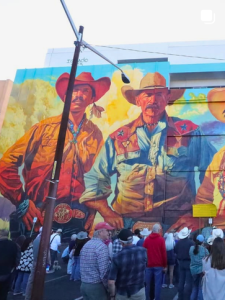
Celebration of the Cowboy
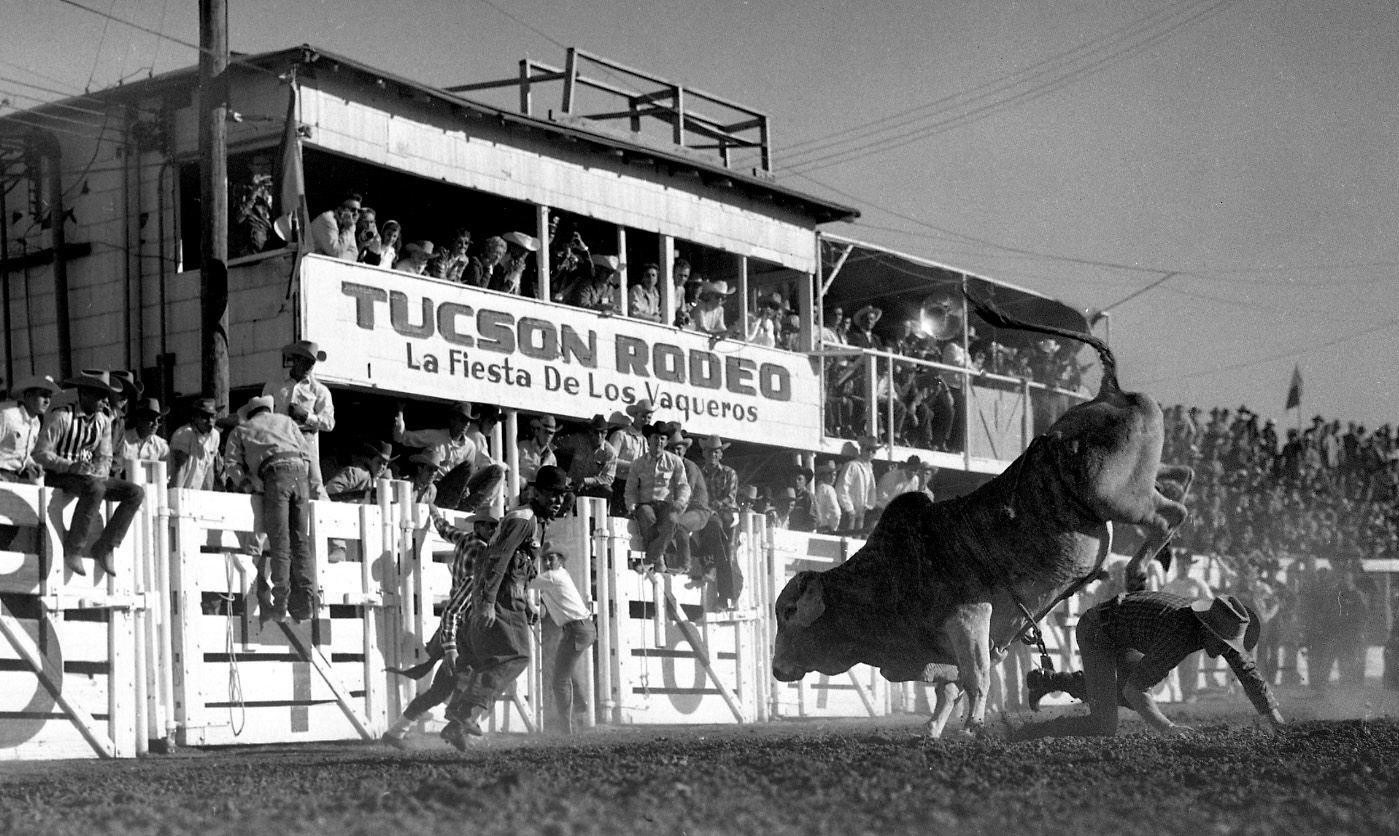
The American West was built by men and women who depended on their horses, their livestock, and each other. Every day demanded grit, quick thinking, and hard-earned skill. Cowboys broke horses, roped cattle, sorted herds, and worked from sunrise to sunset not for applause, but because it was their livelihood.
Over time, neighbors began gathering to see who could ride the toughest horse, rope the fastest steer, or complete a day’s work with the greatest skill. What started as friendly competition eventually morphed into the sport we now know as rodeo.
Events at La Fiesta de los Vaqueros (and most other rodeos) can be grouped into two primary categories: Roughstock Events, and Timed Events.
Roughstock Events
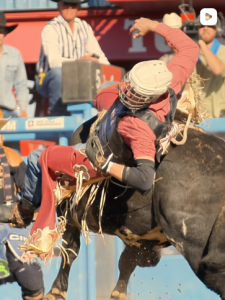
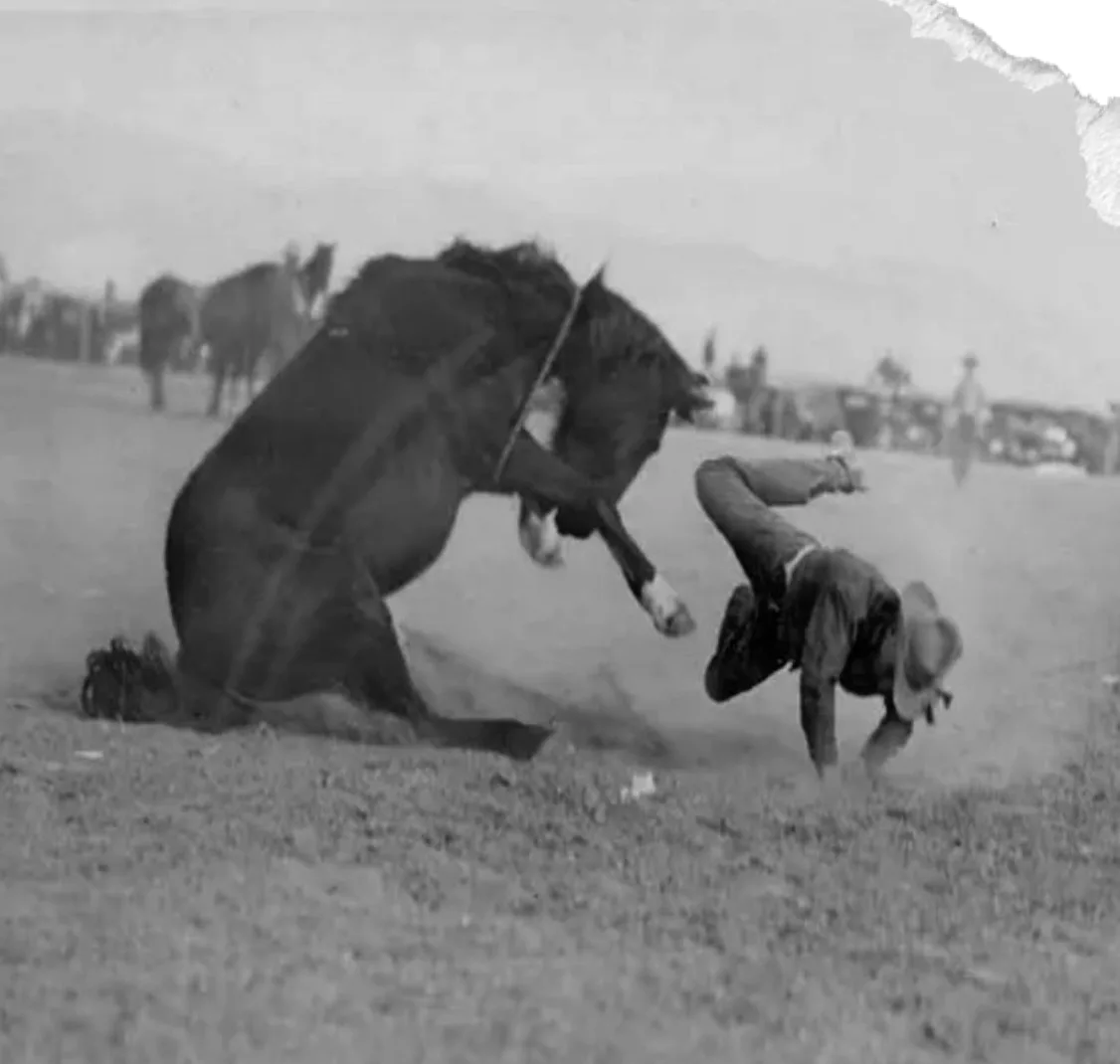
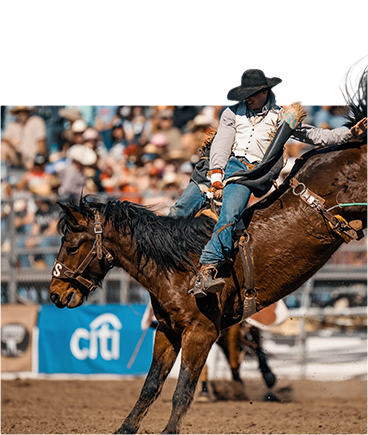
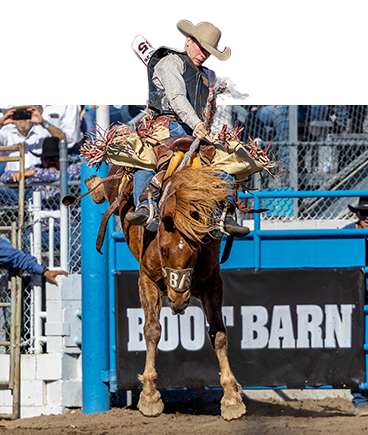
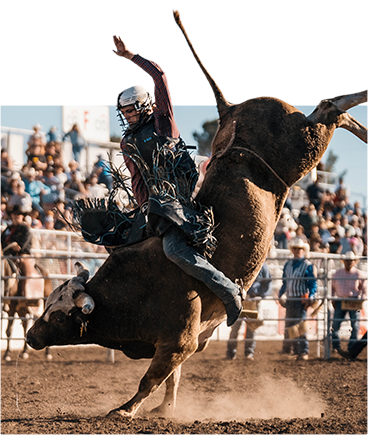
Roughstock events celebrate both the skill of the cowboy and the remarkable strength, power, and agility of the animal athlete.
Today’s bucking horses and bulls aren't wild animals. They are carefully bred, raised, and cared for by professional stock contractors. Generations of selective breeding have produced animal athletes with a natural instinct to buck, making them just as important to the sport as the competitors who draw them.
In every ride, both athletes are judged. The cowboy on control, timing, and technique, while the horse or bull is scored on its power, intensity, and athletic performance. The highest scores are a combination of an exceptional rider and an exceptional animal.
Timed Events
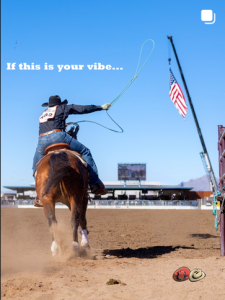
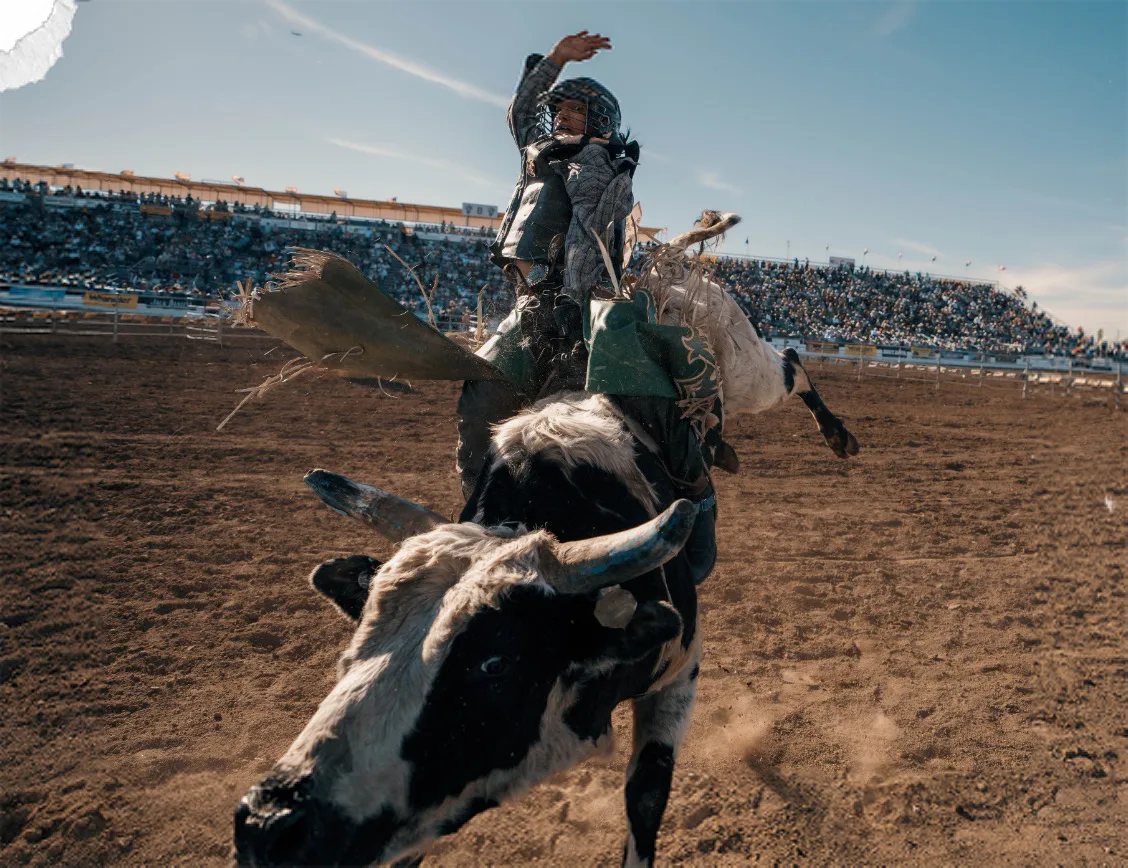
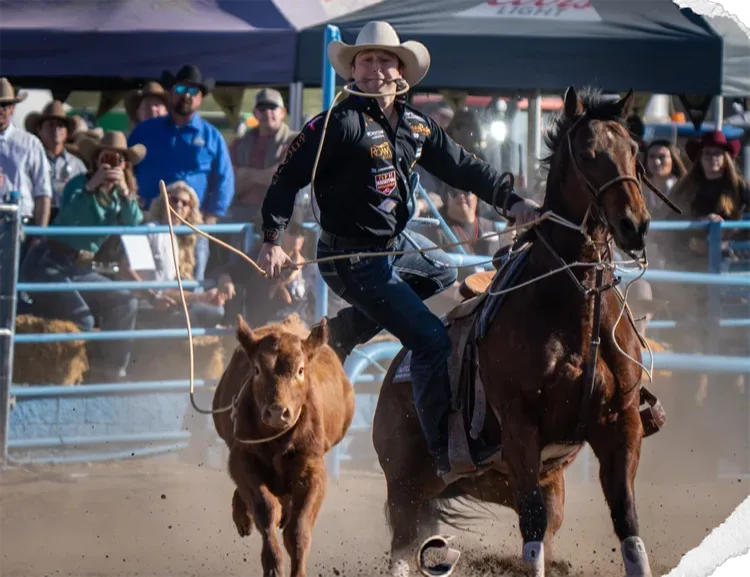
Not every challenge on the ranch called for eight seconds of grit. Many demanded speed, accuracy, and absolute trust between horse and rider.
Practical skills like treating a calf, catching a runaway steer, or working cattle across open country depended on horsemanship, teamwork, and the ability to make split-second decisions under pressure.
Today, those same traditions live on in rodeo's timed events. While the arena has replaced the open range, the fundamentals remain the same. Every run is a showcase of athleticism, precision, and the remarkable partnership between competitor and horse.
Rodeo Events FAQ
Answers to your questions about roughstock, timed events, and everything in between.
What events are in a professional rodeo?
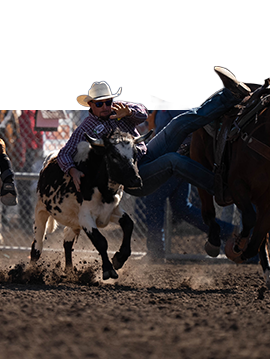
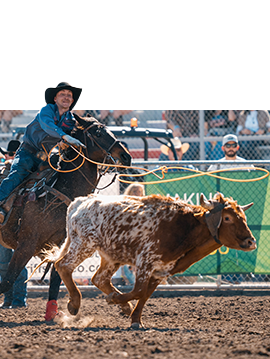
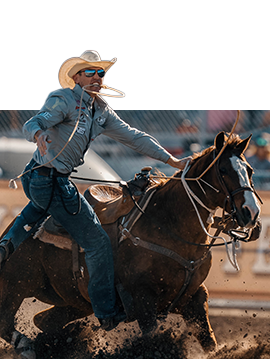
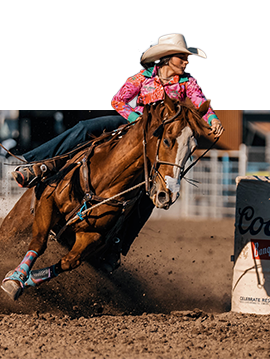
Professional rodeo includes both roughstock and timed events. At the Tucson Rodeo, fans can see bareback riding, saddle bronc riding, bull riding, steer wrestling, tie-down roping, team roping, and barrel racing. Each event traces its roots to the skills, traditions, and working culture of the American West.
What is the difference between roughstock and timed events?
In roughstock events, cowboys are judged on their performance aboard a bucking horse or bull, with both the rider and animal athlete contributing to the score. In timed events, competitors race against the clock, relying on speed, precision, horsemanship, and—in some events—teamwork.
Why do rodeo horses and bulls buck?
Today's professional bucking horses and bulls are bred for their natural athletic ability and instinct to buck. Like other elite animal athletes, bloodlines, genetics, athleticism, and performance can make certain animals highly sought after by professional stock contractors.
Where did rodeo events come from?
Many rodeo events evolved from skills needed on working ranches throughout the American West. Roping, riding, handling livestock, and exceptional horsemanship were part of everyday ranch life. Friendly competitions between cowboys eventually helped transform those practical skills into organized rodeo.
Are rodeo competitors real cowboys and cowgirls?
Many are. Professional rodeo athletes come from a variety of backgrounds, but many were raised on ranches, around livestock, or in families where rodeo and horsemanship have been passed down for generations. Today, elite competitors combine that western heritage with the training and dedication of professional athletes.
How is a rodeo scored?
It depends on the event. Roughstock events are judged, with points awarded for both the rider's performance and the animal athlete's performance. Timed events are decided by the clock, with penalties added for certain mistakes. Each event has its own rules, which you can explore in our individual event guides.
How long does a rodeo ride last?
In bareback riding, saddle bronc riding, and bull riding, a qualified ride lasts eight seconds. Timed events can be even faster, with some winning runs completed in only a few seconds.
What should I know before attending my first rodeo?
You don't need to know the rules to have a great time. But understanding what competitors are trying to accomplish—and what judges or timers are watching for—makes the experience even better. Our Rodeo 101 guide covers everything you need to know before your first Tucson Rodeo.