Tie-Down Roping
The Rodeo
Sponsored By

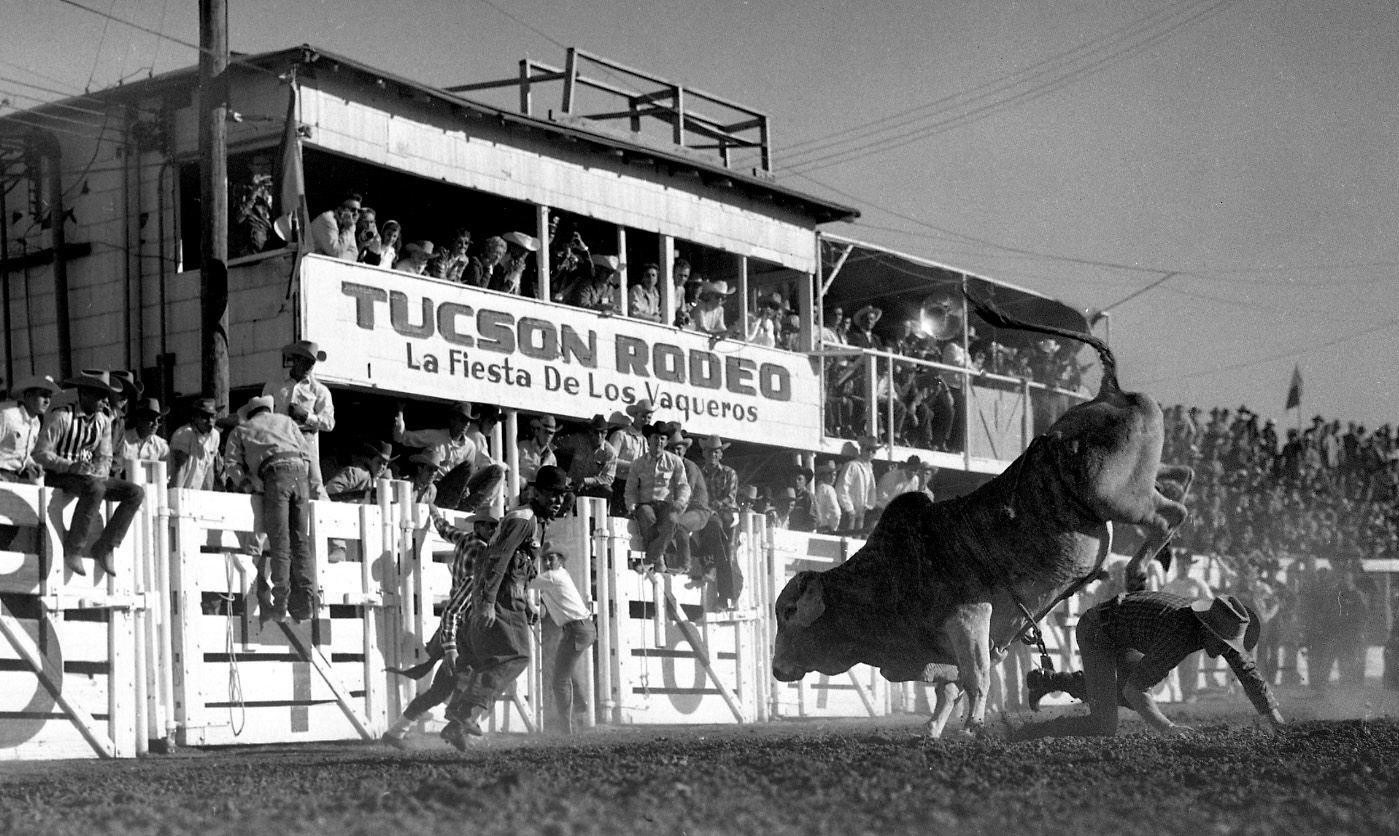
Tie-Down Roping
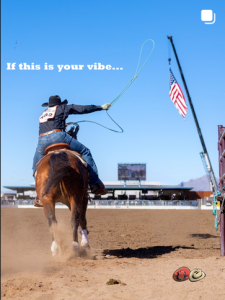
In a matter of seconds, a cowboy bursts from the box, ropes a running calf, dismounts, and completes the tie with calm, practiced efficiency.
Tie-down roping is one of rodeo’s most technical timed events, with very little room for error. What may look simple from the stands is anything but. It demands quick hands, precise timing, exceptional horsemanship, and complete trust between horse and roper.
Here’s the secret to watching tie-down roping: don’t just watch the cowboy, watch his horse. A great run depends on both athletes doing their jobs at exactly the right moment.
How Tie-Down Roping Works
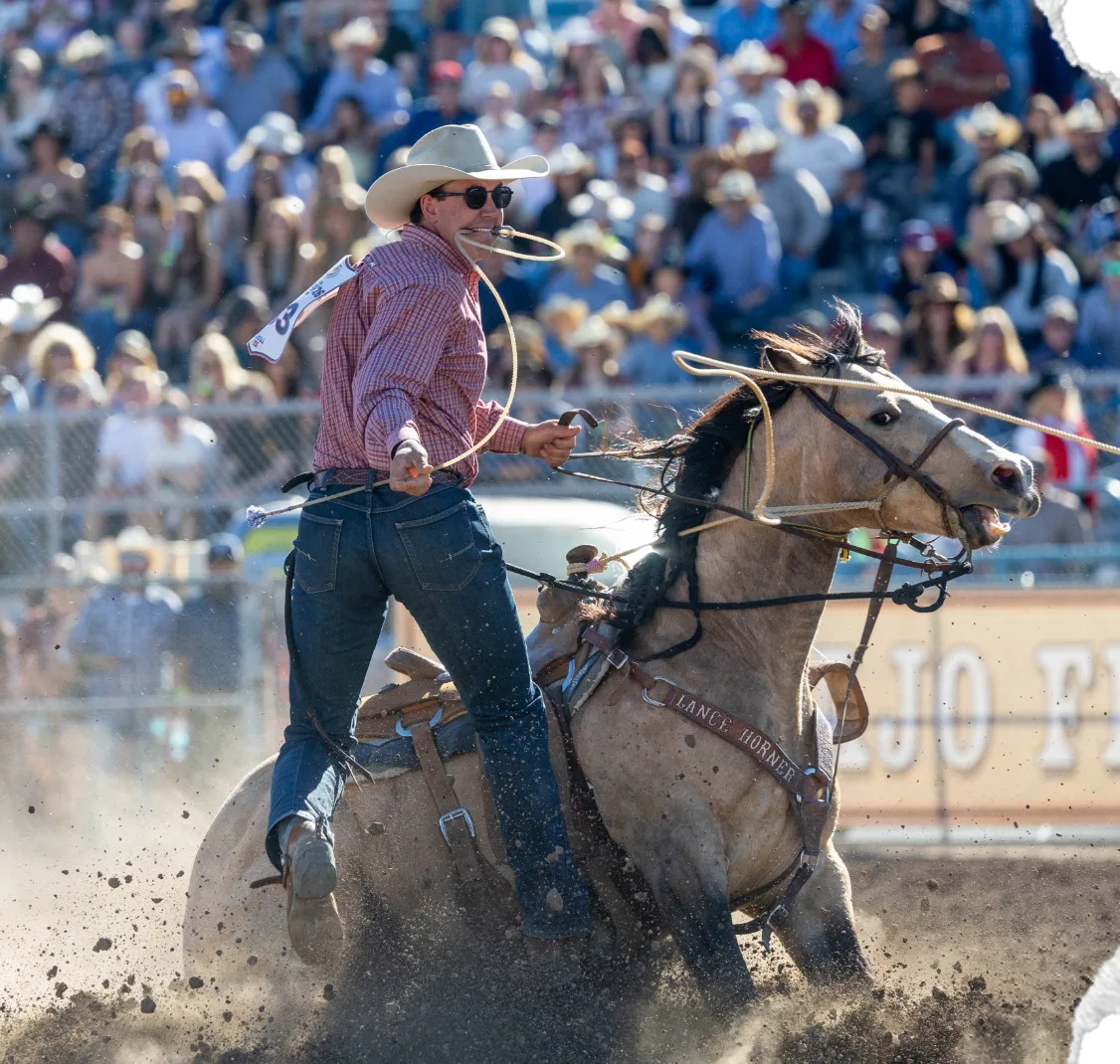
The cowboy and horse wait in the roping box while the calf is given a designated head start. Once the barrier releases, the chase begins.
The cowboy ropes the calf, dismounts, runs down the rope, and flanks the calf, bringing it to its side. He then gathers three legs and ties them together using a short rope called a piggin’ string. When the tie is complete, the cowboy throws his hands in the air to stop the clock.
But the run isn’t official just yet. The tie must hold for six seconds after the cowboy remounts and allows the rope to go slack. Then, and only then, does the time count.
The cowboy gets the official time, but he doesn’t earn it alone. A great tie-down horse is a highly trained animal athlete with a very specific job. The horse must accelerate quickly, help position the cowboy for a clean catch, stop hard when the rope comes tight, and remain attentive while the cowboy works on the ground.
By the time the cowboy throws his hands in the air, horse and rider have already made dozens of split-second adjustments together.
The best partnerships are built over years, and when everything comes together, you can see it.
The cowboy might be the one making the tie, but the horse makes the run possible.
How is Tie-Down Roping Scored?
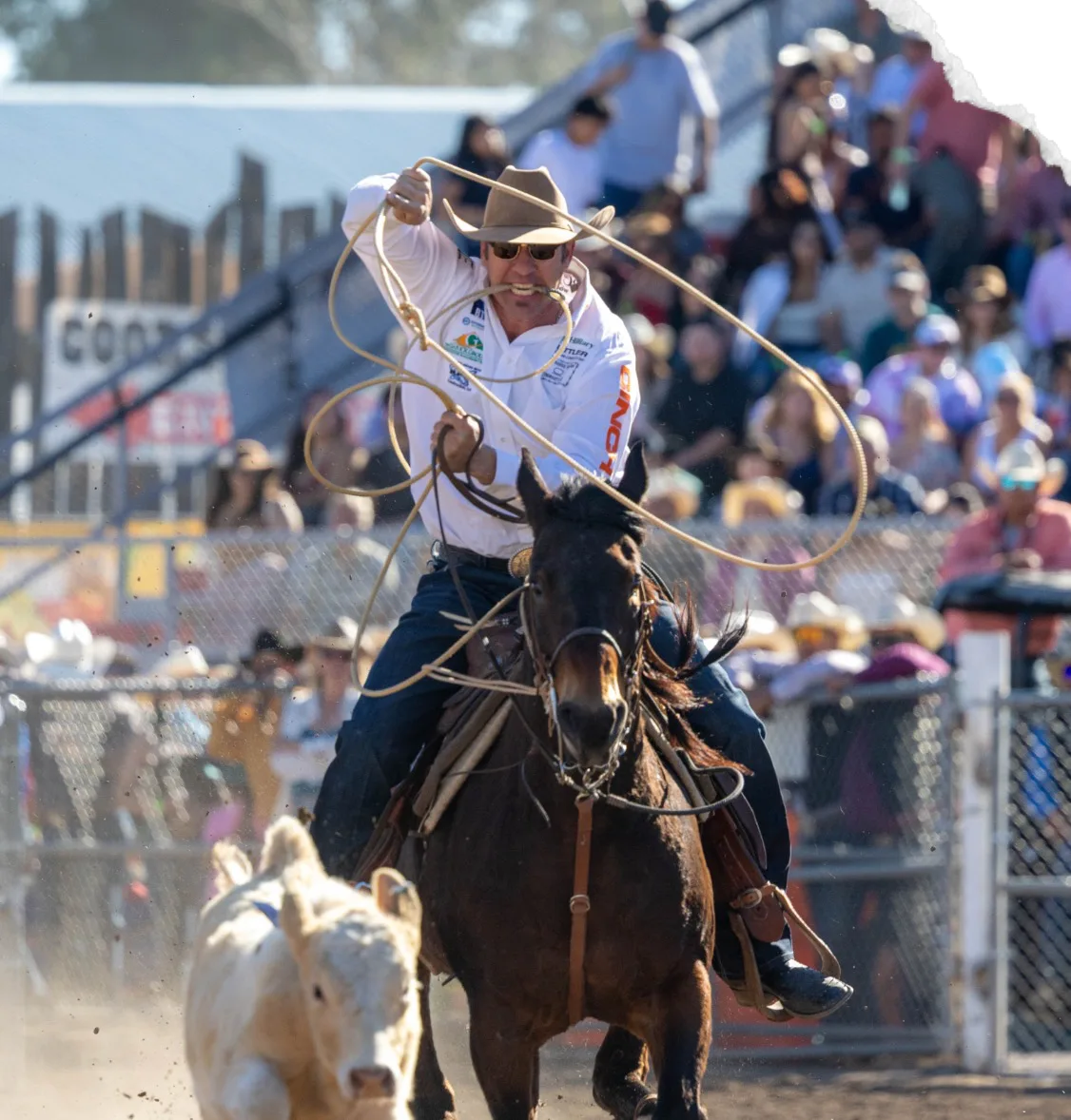
Tie-down roping isn't judged on points, but on time.
It All Comes Down to the Tie
Each cowboy competes against the clock with a different drawn calf across the rodeo’s go-rounds. Times from those runs are combined to determine the aggregate, also commonly called the average. So when you see a score that reads: 29.70/3, that means the cowboy recorded a combined time of 29.70 seconds on three head.
Breaking the barrier at the start adds 10 seconds to the cowboy’s time. If the tie doesn’t hold for the required six seconds, the cowboy receives a no-time.
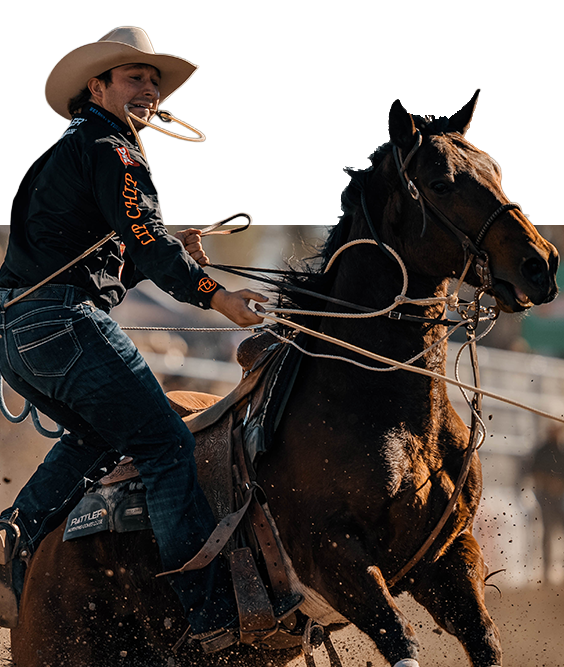
Tucson Rodeo Arena Records
The best Tucson has seen when it comes to Tie Down Roping.
Fastest Single Run – 7.7 seconds
1993- Jim C. Smith, Del Rio, Texas
Fastest Total Time Three Head – 26.6 seconds
1993 – Rusty Sewalt, Magnolia, Texas
Fastest Total Time Two Head – 17.7 seconds
1996 – Mike Johnson, Henryetta, Oklahoma
1997 – Clay Cerny, Eagle Lake, Texas
Fastest Total Time Four Head – 42.4 seconds
2011 – Ryan Jarrett, Summerville, George
See Tie-Down Roping Live
You can read about a few seconds of tie-down roping…or you can see it live.
Buy Your Tickets Today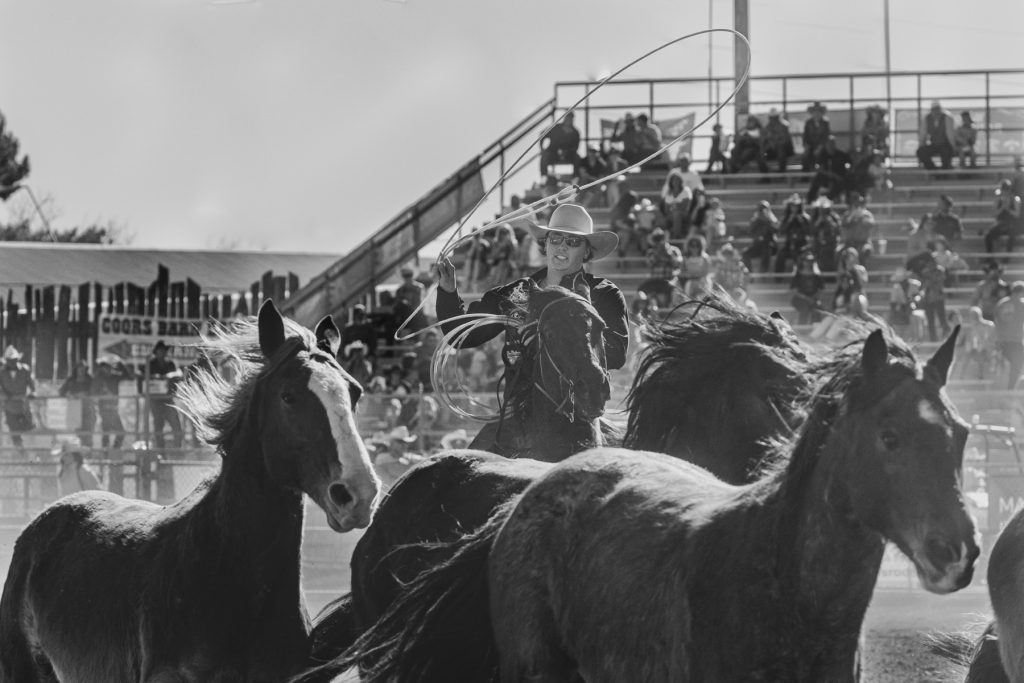
Tie-Down Roping FAQs.
Answers to your questions about rodeo's most technical timed event.
What is tie-down roping?
Tie-down roping is a timed rodeo event in which a mounted cowboy ropes a calf, dismounts, flanks the calf, and ties three of its legs together. The fastest clean time wins.
What does "flanking" mean?
Flanking is the technique the cowboy uses to bring the calf to its side so he can gather and tie three legs.
Why does the tie have to hold for six seconds?
The cowboy must complete a secure tie, not simply stop the clock. The tie must remain in place for the required six seconds for the run to count.
What does the horse do in tie-down roping?
The horse helps position the cowboy for the catch, stops when the rope comes tight, and works from the opposite end of the rope while the cowboy completes the tie. Elite tie-down horses are highly trained specifically for this job.
What happens if a cowboy breaks the barrier?
The calf is entitled to a head start. If the cowboy leaves the box too soon and breaks the barrier, 10 seconds are added to his time.