Rodeo 101
The Rodeo
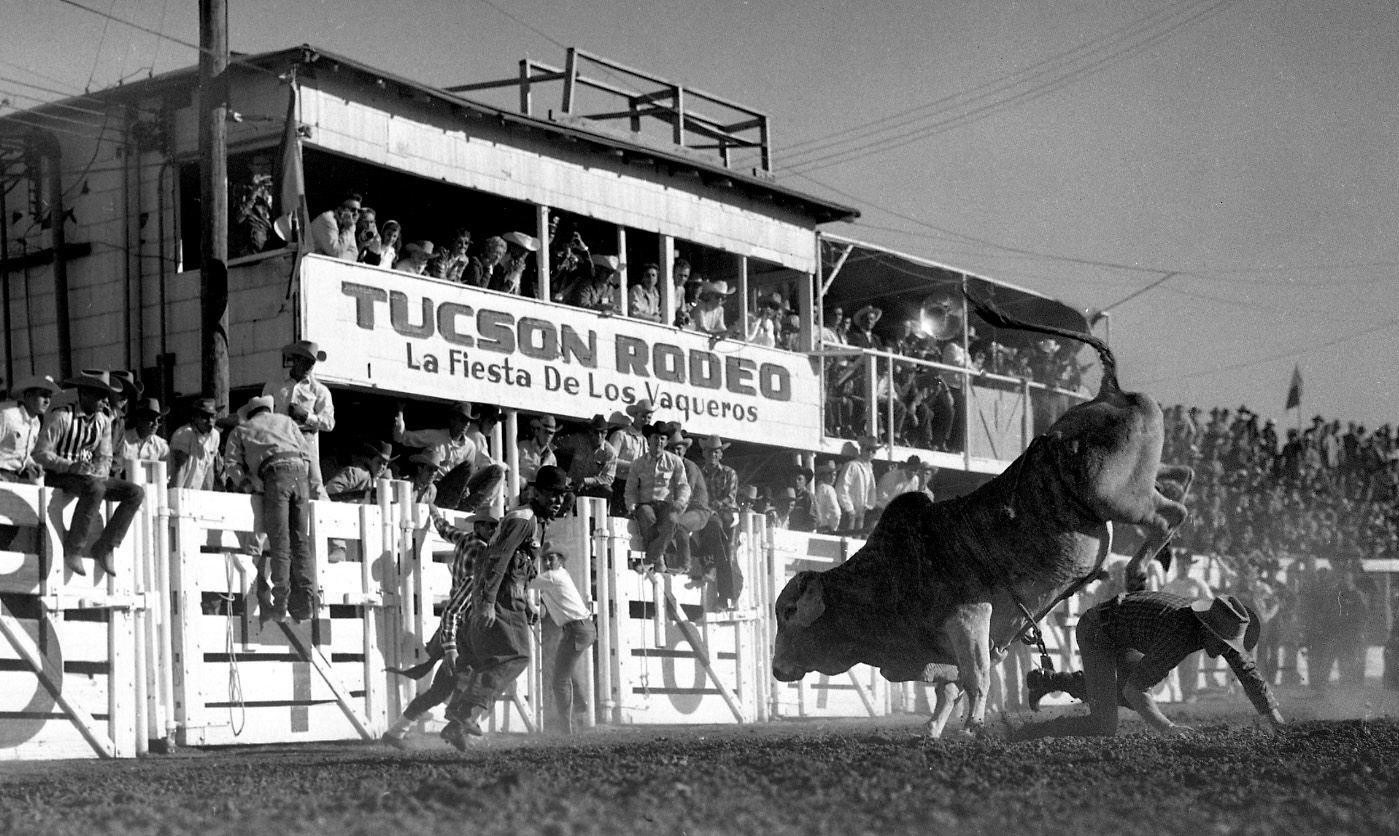
First time at the Tucson Rodeo?
We can’t wait to have you! From understanding what happens when the chute opens to figuring out what to wear, where to park, and which performance to attend, we’ve got you covered. Consider this your guide to experiencing La Fiesta de los Vaqueros like you’ve been here for years.
Understand the Rodeo
Why eight seconds? What’s a go-round? Learn the events, scoring, animal athletes, and traditions behind professional rodeo.
Plan Your Day
There’s more happening than what’s inside the arena. See performance times, grounds activities, special events, and what’s happening each day.
What to Wear & Bring
What to wear, what to bring, what to leave home, and everything else you need to know before heading through the gates.
Getting Here
Find the Tucson Rodeo grounds, parking information, accessible parking, entrances, and transportation details.
Choose Your Tickets
Six performances, seating, group options, and VIP experiences. Find the right way to rodeo.
First Rodeo
What to expect, what to wear, and tips for making the most of your day.
First Things First: How Does Rodeo Work?
Six Performances | One Leaderboard | Two Slack Days
The Tucson Rodeo stretches across nine days, with six ticketed rodeo performances. Throughout the week, cowboys and cowgirls put scores and times on the board, competing for prize money and the title of Tucson Rodeo Champion.
And that’s part of what makes the week so much fun: the best scores and times across all the days win. Every performance counts, the leaderboard can change from one day to the next, and the final champions are decided when the last performance wraps up on Sunday. A great ride or run can put a contestant in the lead, but it has to hold up all week.
It’s All About the Buckle
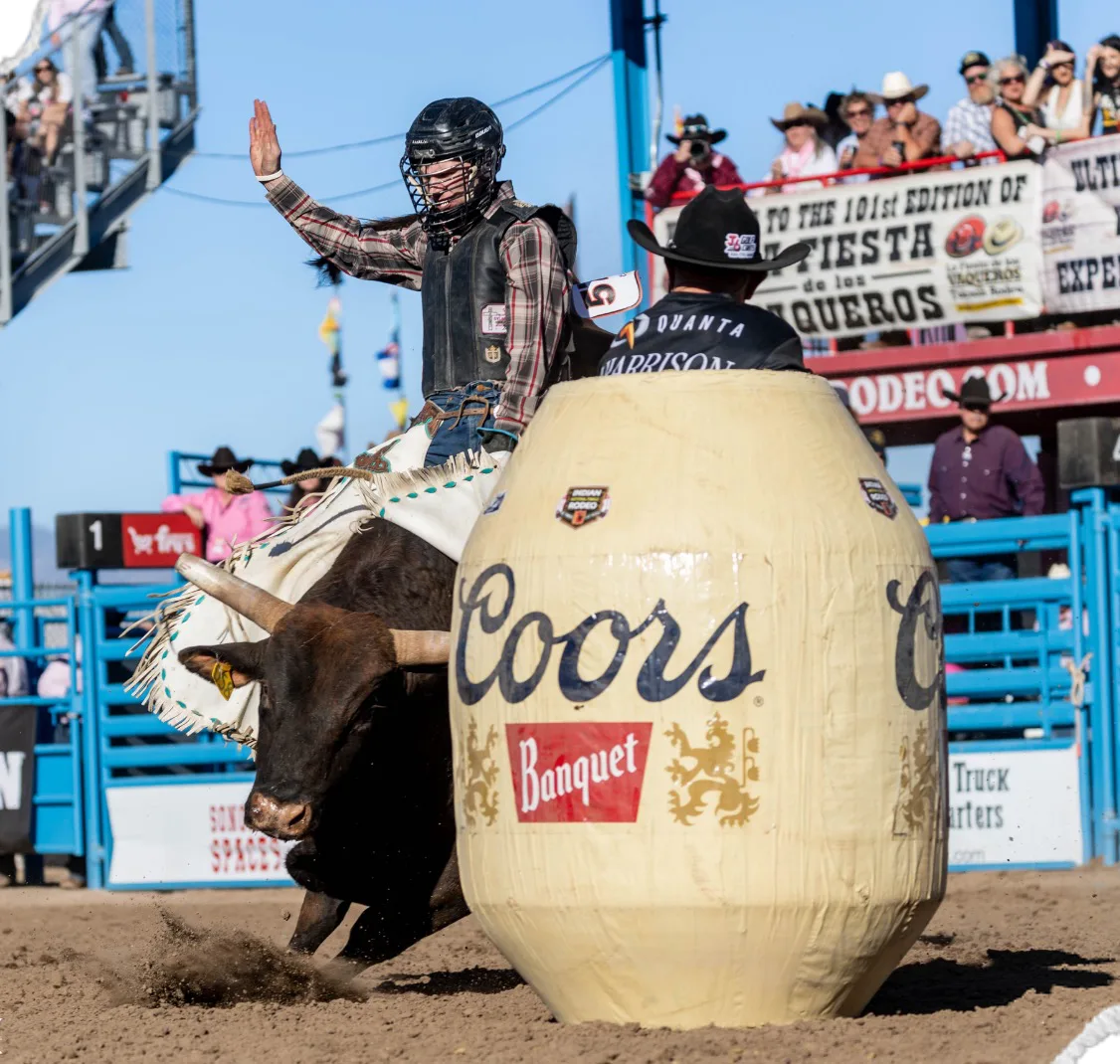
As you walk around the rodeo you’ll start to notice big, beautifully embellished buckles worn by cowboys and cowgirls. Look a little closer and you’ll note no two are exactly alike. They all tell a story – an event, a year, a rodeo, a championship. Some feature ornate engraving, precious metals, or stones (yes, even diamonds!).
That’s because, in rodeo, the buckle is the trophy. And no buckle can be bought, they must be earned.
A championship buckle represents the rides, runs, early mornings, entry fees, wrecks, disappointments, and hundredths of a second it took to win it. A cowboy or cowgirl may spend years chasing one particular buckle. Some are so ornate they can be worth thousands of dollars. But ask the person wearing one what theirs is worth, and chances are they’ll tell you: “It’s priceless.”
Every competitor who enters our arena is chasing that buckle. Yes, there’s prize money on the line, and those earnings definitely matter in the race toward the world standings. But there’s something money can’t buy: the right to call yourself a Tucson Rodeo Champion, and the buckle that proves you earned it.
So, What’s Slack?
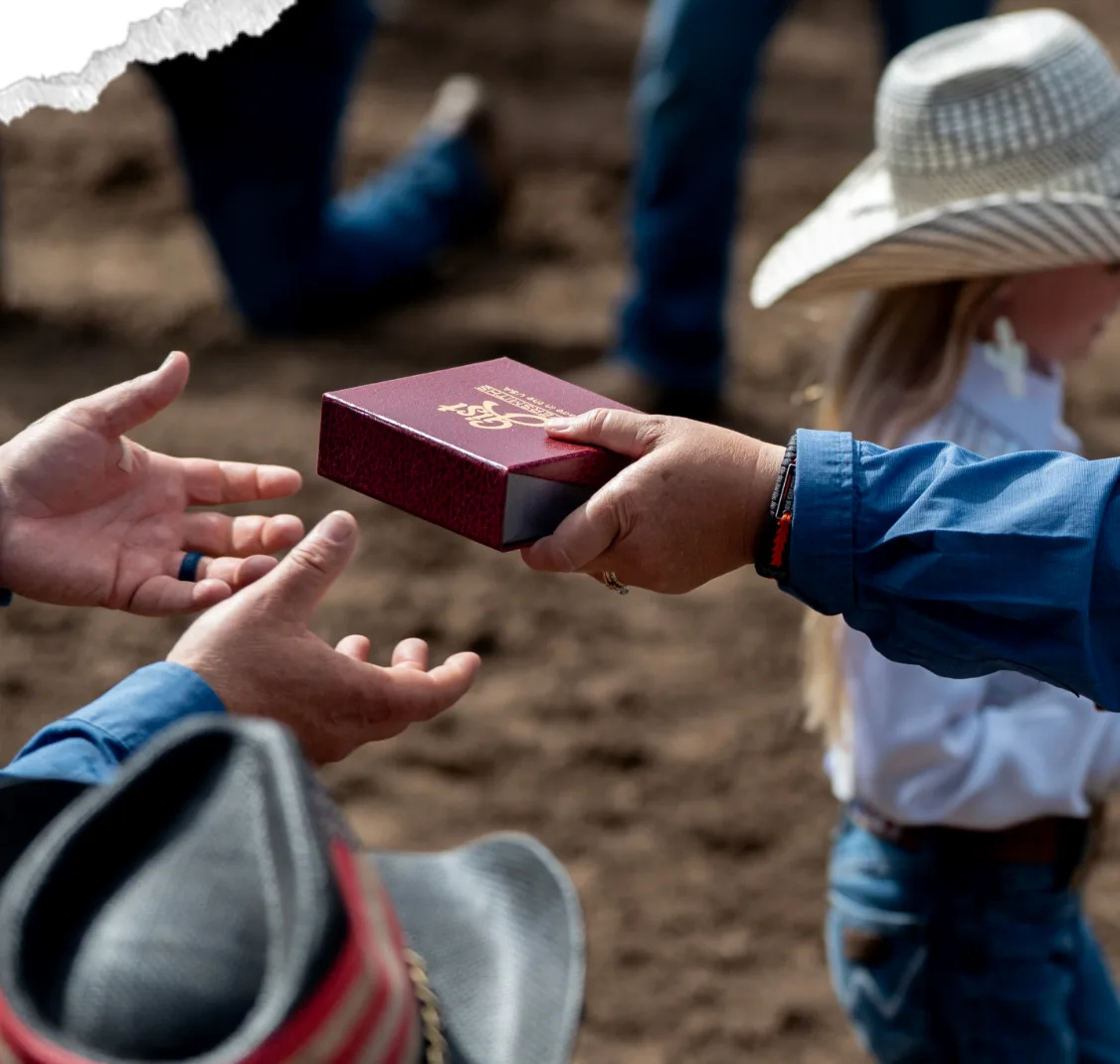
There are often more professional rodeo contestants entered than can fit into the ticketed performances. Slack is additional competition held outside the regular performances to give those contestants their opportunity to compete.
At Tucson, slack features timed-event competition. It isn’t simply practice or qualifying behind the scenes—the times count. These cowboys and cowgirls are competing in the same rodeo, for the same standings and championship implications, just outside the main ticketed performances.
For serious rodeo fans, slack can offer a different way to watch the sport: more runs, less ceremony, and competition moving quickly through the arena. Slack days are free and open to the public. They start early (often before 8:00AM) and typically end between 12:00-1:00PM.
And if you grew up in Tucson, there’s a good chance slack was your first introduction to the Tucson Rodeo. For generations of local kids, a school field trip to the rodeo grounds has been a Tucson rite of passage.
From Ranch Work to Rodeo
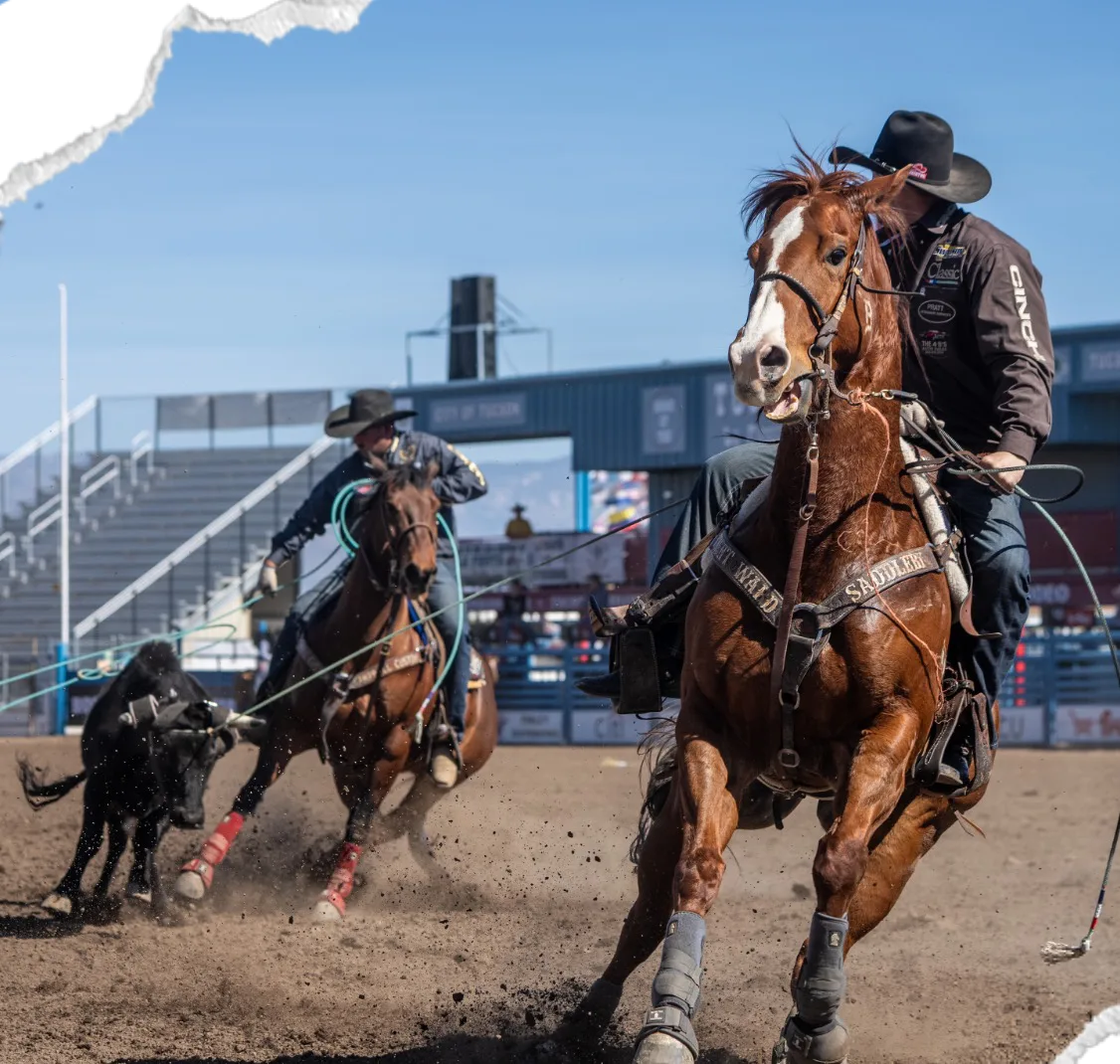
Every event in professional rodeo has a story—and most began with the real skills cowboys and cowgirls relied on working horses and livestock across the American West.
Each event at the Tucson Rodeo can be lumped into one of two categories: Timed and Roughstock.
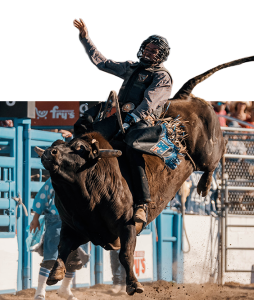
Roughstock Events
The Score Wins.
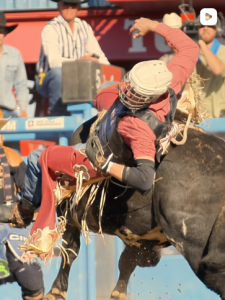
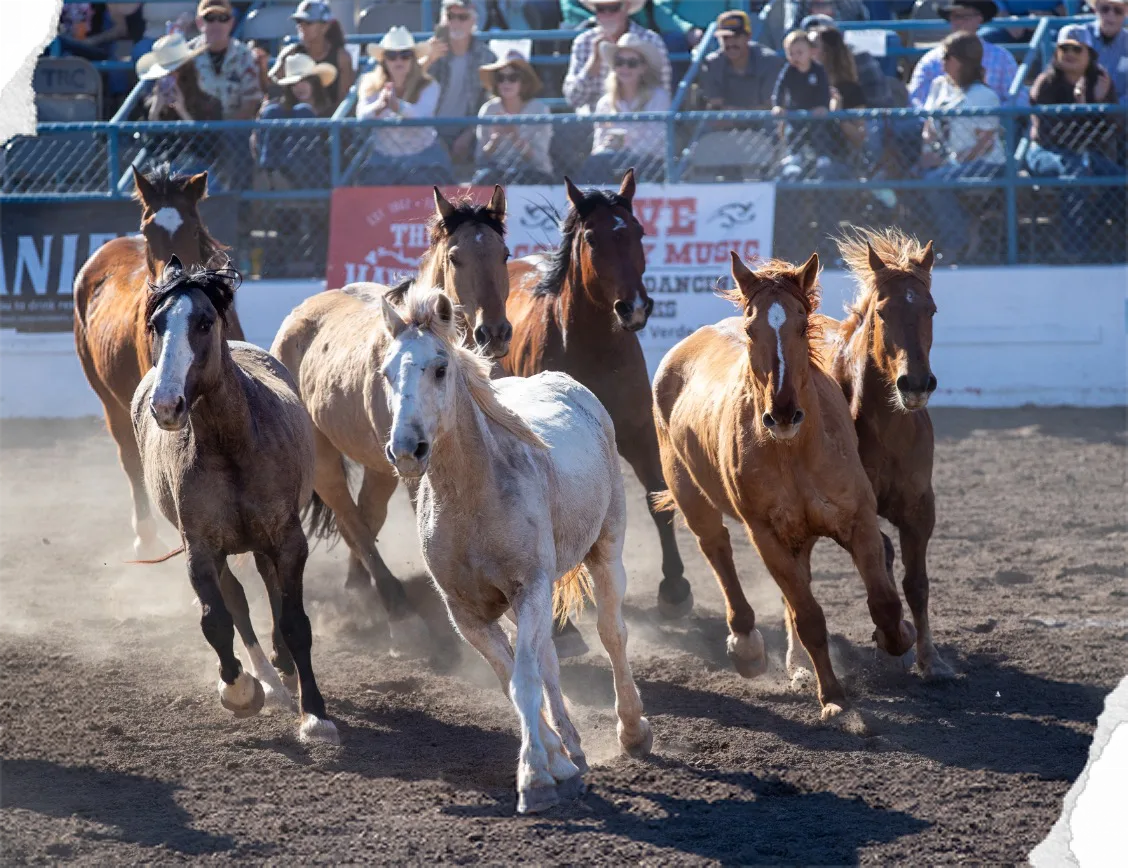
In Bareback Riding, Saddle Bronc Riding, and Bull Riding, the rider must stay aboard a bucking horse or bull for a full eight seconds to earn a qualifying score. But simply staying on isn’t enough to win.
Two judges evaluate both the cowboy, and the animal athlete. Each athlete can receive a maximum of 50 points.
The more powerful and difficult the bucking performance (and the better the cowboy rides it) the greater the opportunity for a championship-caliber score.
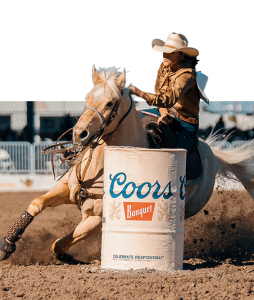
Timed Events
The Clock Wins.
In Steer Wrestling, Tie-Down Roping, Team Roping, and Barrel Racing, there are no style points. The goal is to complete the job both correctly, and faster than anyone else.
But speed alone won’t win. Breaking the barrier can cost a penalty, a missed catch can result in a no-time, and a knocked down barrel adds five seconds to the clock.
At the professional level, championships can be decided by hundredths of a second.
Watch Rodeo Like You Know Rodeo
A few things to keep your eye on during the action
In Roughstock, Watch Both Athletes.
It’s easy to keep your eyes on the cowboy, but important to watch the horse or bull, too. The animal accounts for half the available score.
Look for powerful kicks, height, speed, changes in direction, and the overall difficulty of the bucking performance. Then watch how the cowboy responds. The best rides happen when an exceptional animal athlete and an elite cowboy are both performing at their peak.
A great draw gives a great cowboy the opportunity to put together an extraordinary score.
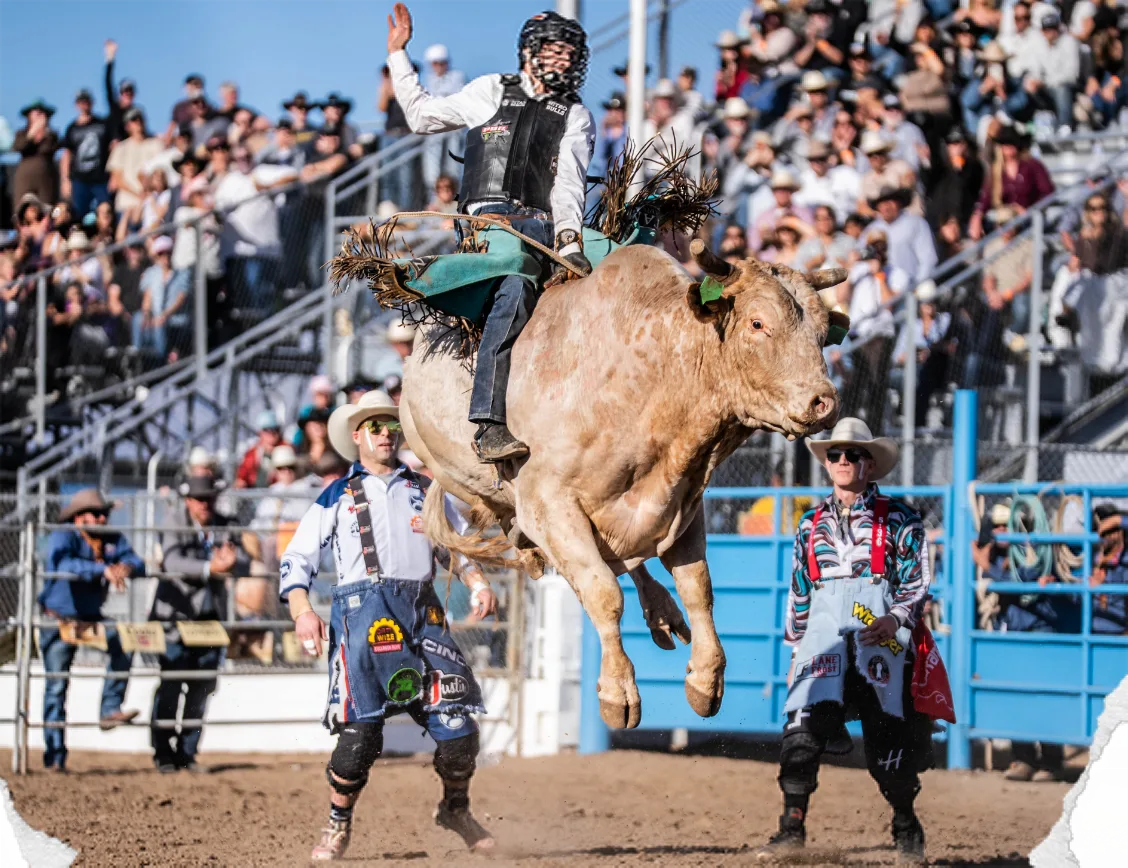
Watch the Bullfighters
When the Bull Rider comes off (either intentionally or unintentionally) pay attention to the bullfighters. These highly trained professionals position themselves between cowboy and bull, redirecting the animal and creating a path to safety.
Some of the most remarkable athleticism you’ll see in the arena happens after the eight-second clock stops.
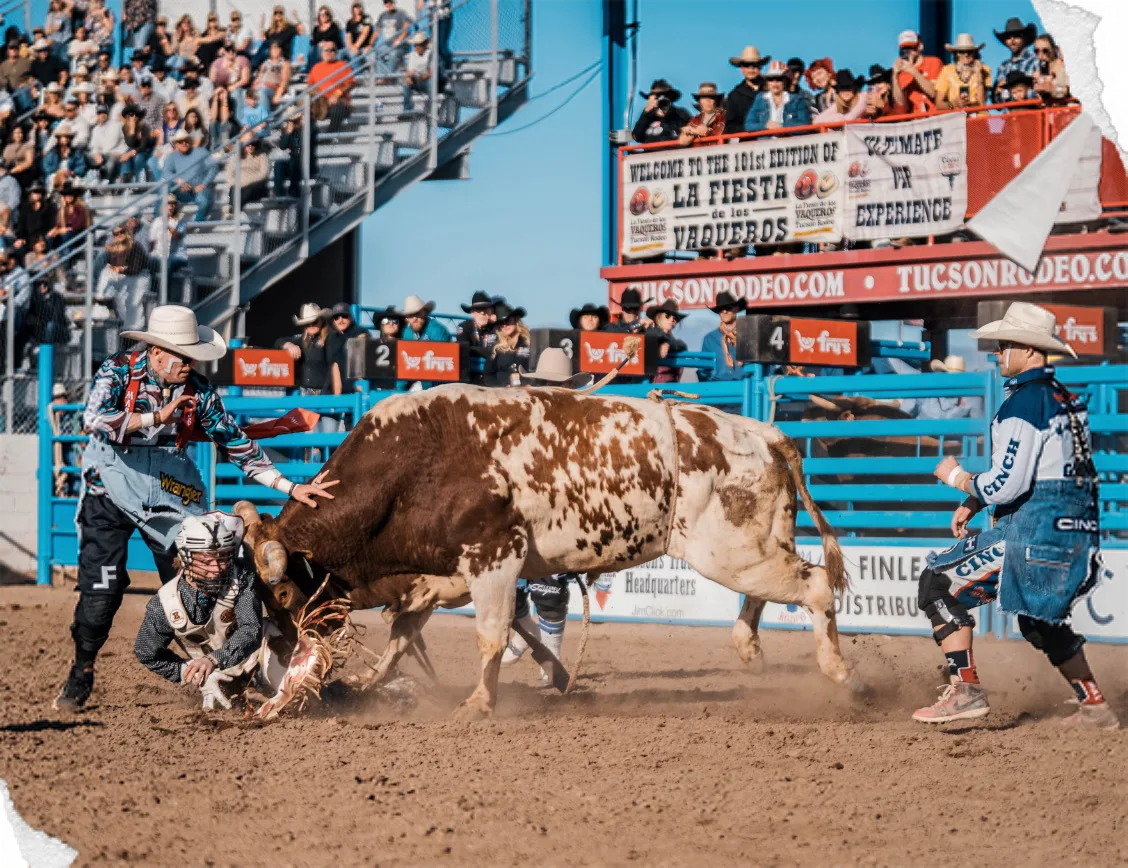
In Timed Events, Watch the Horse.
The cowboy or cowgirl may get the official time, but they aren’t doing it alone.
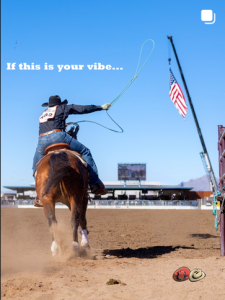
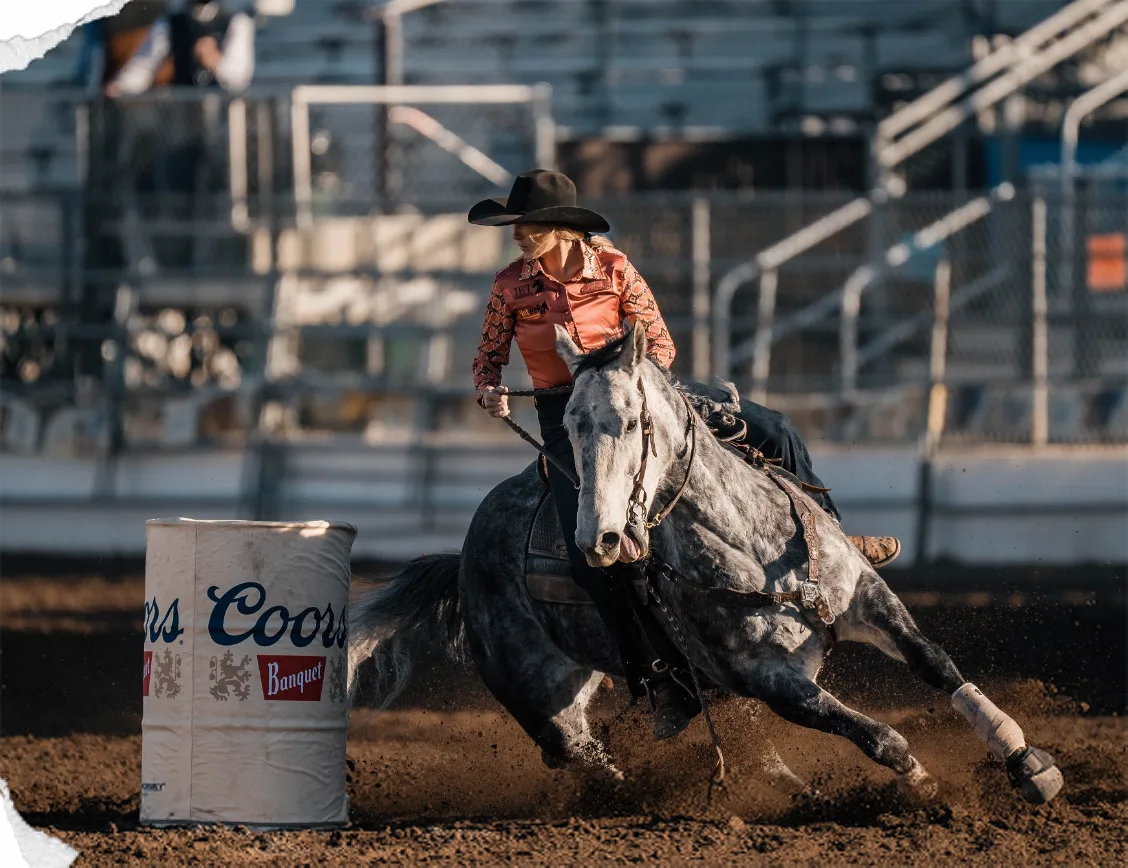
Watch a steer wrestling horse put its cowboy into exactly the right position. Watch a roping horse continue working after its cowboy leaves the saddle. And watch the explosive power of a barrel horse as it wraps tightly around a barrel, then accelerates out of the turn.
These horses aren’t simply transportation. They’re highly trained animal athletes with very specific jobs.
Watch the Teamwork.
Some of the most important people in a run aren’t necessarily the names you’ll see on the scoreboard.
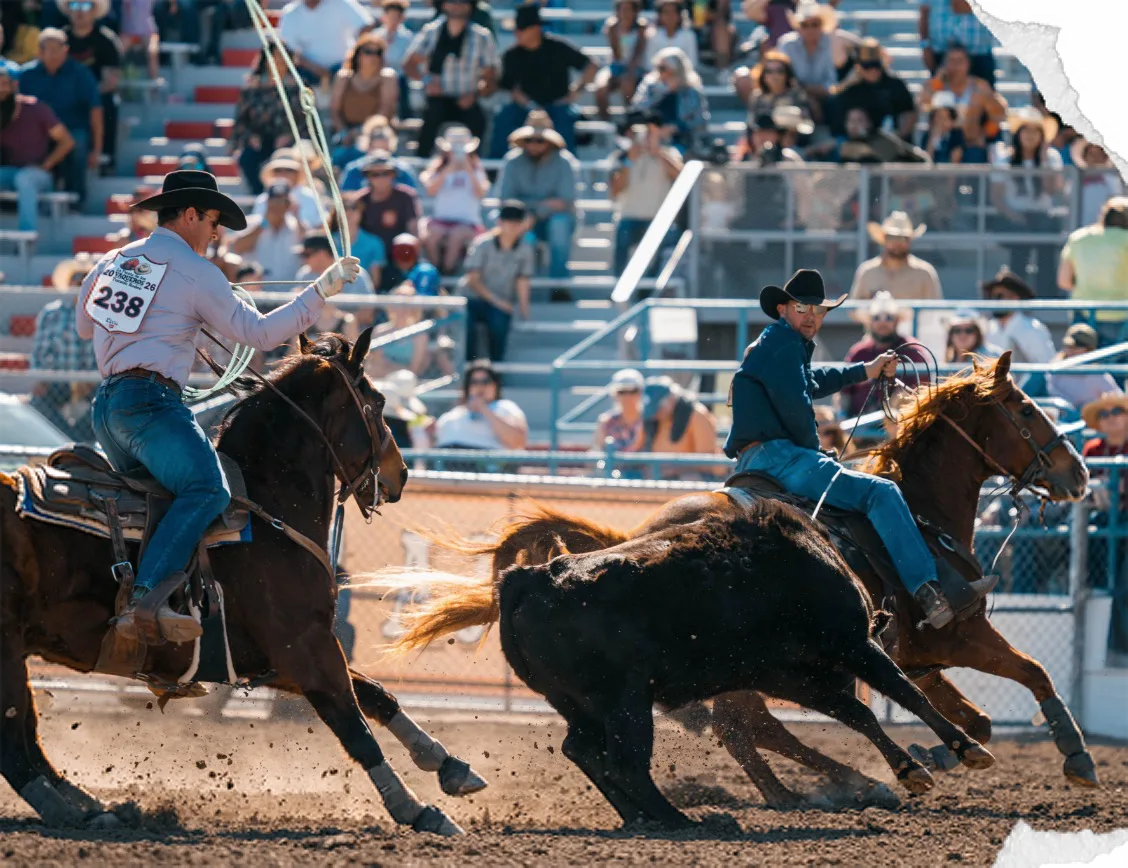
In steer wrestling, watch the hazer riding opposite the bulldogger, keeping the steer in position.
In team roping, watch how the header’s turn sets up the heeler’s catch.
And across the timed events, watch how horse and rider communicate. At this level, some of those cues are so subtle you’ll barely see them.
And Don't Forget the Clock!
Rodeo happens fast. The Tucson Rodeo arena records tell the story
4.6 seconds
Team Roping
7.7 seconds
Tie-Down Roping
3.8 Seconds
Steer Wrestling
16.91 seconds
Barrel Racing
Speak Rodeo
A Little Lingo Goes a Long Way.
Spend an afternoon around the arena and you'll quickly realize rodeo has a language all its own.
- MAKE EIGHT
- Stay aboard a bucking horse or bull for the full eight seconds required for a qualified ride.
- CHUTE
- The narrow enclosure where a horse, bull, or timed-event animal waits before entering the arena. When the chute gate opens, it's go time.
- DRAW
- The process used to match contestants with the livestock they'll compete with. Different animal, different challenge.
- NO-TIME
- A timed-event run that doesn't meet the requirements for an official time.
- HAZER
- The cowboy who rides opposite the steer wrestler, helping keep the steer running straight and in position.
- HEADER + HEELER
- The two cowboys in team roping. The header makes the first catch and turns the steer; the heeler ropes the hind feet.
- GO-ROUND
- One round of rodeo competition. Contestants can place in individual go-rounds while also building toward their overall result.
- HEAD
- One round of rodeo competition. Contestants can place in individual go-rounds while also building toward their overall result.
- BREAK THE BARRIER
- Leaving the box before the steer or calf receives its required head start. In timed events, it can mean a costly penalty.
- RIGGIN'
- The specialized handhold a bareback rider grips with one hand during his ride.
- PIGGIN' STRING
- The short rope a tie-down roper uses to complete the tie.
- THE NOD
- The cowboy's signal that he's ready for the chute gate to open. In roughstock, watch closely—you'll often see the rider give a subtle nod before everything explodes into motion.
Your First Rodeo FAQ
You’ll be up to speed in no time
Do I need to understand rodeo before I come?
Not at all. Rodeo is exciting whether it’s your first time or your fiftieth. But understanding the basic events, scoring, and terminology can make following the competition even more fun.
How long is a Tucson Rodeo performance?
You can make a whole day of it—and we think that’s the best way to experience La Fiesta de los Vaqueros. Gates open at 10:00 AM each performance day. Mutton Bustin’ kicks things off at 12:00 PM, followed by Junior Rodeo at 12:30 PM. The Pro Rodeo starts at 2:00 PM and typically wraps up around 4:30 PM. But don’t head for the gates after the final bull bucks…each performance day ends with the Coors Barn Dance, immediately following the rodeo. The dance is 21+, so grab a cold one and stick around.
Come early enough to explore the grounds, grab some food, shop the vendors, and take in everything happening outside the arena.
Does every Tucson Rodeo performance feature the same events?
Yep. Same seven events. Same order. Different cowboys, cowgirls, animal athletes—and a completely different rodeo every time.
You’ll see:
Bareback Riding → Steer Wrestling → Team Roping → Saddle Bronc Riding → Tie-Down Roping → Barrel Racing → Bull Riding
And yes, we save the bulls for last.
Is the Tucson Rodeo family-friendly?
Yes, very. The Tucson Rodeo welcomes fans of all ages, with activities for kids throughout the grounds. Come early, explore, grab something to eat, and let them take in the full rodeo experience before the professional competition begins. The one exception is the Coors Barn Dance, which is 21+. Otherwise, bring the whole crew.
What happens if it rains?
We rodeo! The Tucson Rodeo is an outdoor event and takes place rain or shine. February in Tucson can give us beautiful sunshine, chilly mornings, wind, clouds—and occasionally a little weather—all in the same weekend. Check the forecast, dress accordingly, and come ready for an outdoor rodeo.
Can I wear a cowboy hat?
Absolutely, and we encourage it! It can get mighty sunny in the grandstands, and there’s a reason cowboys have been wearing wide-brimmed hats for generations. It’ll keep the sun off your face and, let’s face it, you’ll look the part.
Don’t own one? You’re in luck.
Several vendors sell cowboy hats right here on the rodeo grounds, with plenty of styles to choose from. Come early, find one you like, and get yourself properly outfitted before the first chute opens.
Do I need cowboy boots?
No.
But again—we’re certainly not going to talk you out of them. You’ll typically find cowboy boot vendors at the rodeo, but if you’re planning to spend the day in a brand-new pair, we’d recommend buying them ahead of time and breaking them in first. Nothing ruins a good rodeo faster than getting your feet in a bind.
Comfortable shoes work just fine.
Should I buy tickets in advance?
If you know you want to come, yes.
Buying early gives you the best choice of seats—especially if you’re bringing a group or have your sights set on the final weekend.
Now You're Ready to Rodeo.
There's only one thing left to do: Experience it.
Where Tradition Meets Pro Rodeo
Professional rodeo grew from the real skills cowboys and cowgirls used working with horses and livestock across the American West.
Today, those traditions have evolved into an elite professional sport. But the skills, horsemanship, livestock, and western heritage and culture remain at its heart.
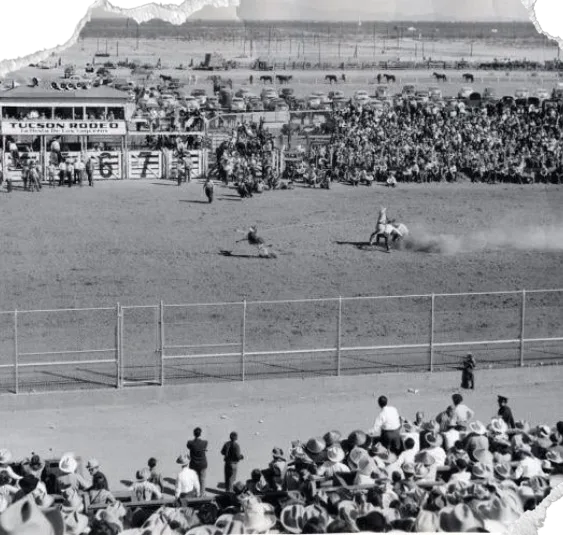
The Tucson Rodeo has been part of that tradition since 1925. Sanctioned by the Professional Rodeo Cowboys Association (PRCA), with barrel racing sanctioned by the Women’s Professional Rodeo Association (WPRA), La Fiesta de los Vaqueros draws some of the sport’s top cowboys and cowgirls to Tucson each February.
As one of the major competitions early in the professional rodeo season, there’s a lot on the line: a significant purse, valuable earnings toward the world standings, and the chance to become a Tucson Rodeo champion.